Whole Home Remodeling That Fits How You Live
Updated: Aug 20
A home can be beautifully built and still no longer work for the people living in it. Maybe the kitchen is separated from the rooms where everyone gathers, storage is always in short supply, bathrooms feel dated, or additions and updates from different decades make the house feel disconnected. Whole home remodeling gives San Antonio homeowners an opportunity to solve those issues as one coordinated project instead of patching them room by room.
For homeowners in established communities such as Alamo Heights, Stone Oak, Shavano Park, Boerne, and Terrell Hills, the goal is rarely change for its own sake. It is a home that supports daily routines, reflects personal style, and is built to serve a family well for years to come. Reaching that result requires clear planning, realistic expectations, and a contractor equipped to manage the details.
When Whole Home Remodeling Makes Sense
A whole-home project is often the right choice when several spaces need attention at once. Renovating the kitchen while leaving adjacent flooring, lighting, trim, and circulation untouched can create an awkward divide between new and old. Addressing connected spaces together allows the design, materials, and construction work to feel intentional from one room to the next.
This approach can also be practical when a home has underlying issues that affect multiple rooms. Aging plumbing, outdated electrical systems, uneven floors, inadequate insulation, water damage, or a poorly planned layout are not always visible in a single-room renovation. Evaluating the full home early helps prevent a new bathroom or kitchen from being disrupted later by necessary work behind the walls.
That does not mean every house needs a complete interior overhaul. If one area is the clear problem and the rest of the home functions well, a focused renovation may be the smarter investment. The decision depends on the condition of the home, how long you plan to stay, the budget available, and whether individual updates would create a cohesive result.
Start With How Your Household Lives
The most successful renovations begin with daily life, not a finish selection. Before discussing cabinet styles or tile, consider how your household moves through the home. Where do backpacks, shoes, and groceries land? Is there room for more than one person to prepare meals? Do guests have a comfortable place to gather without crowding the kitchen? Are bedrooms, bathrooms, and work areas serving the needs of the family now?
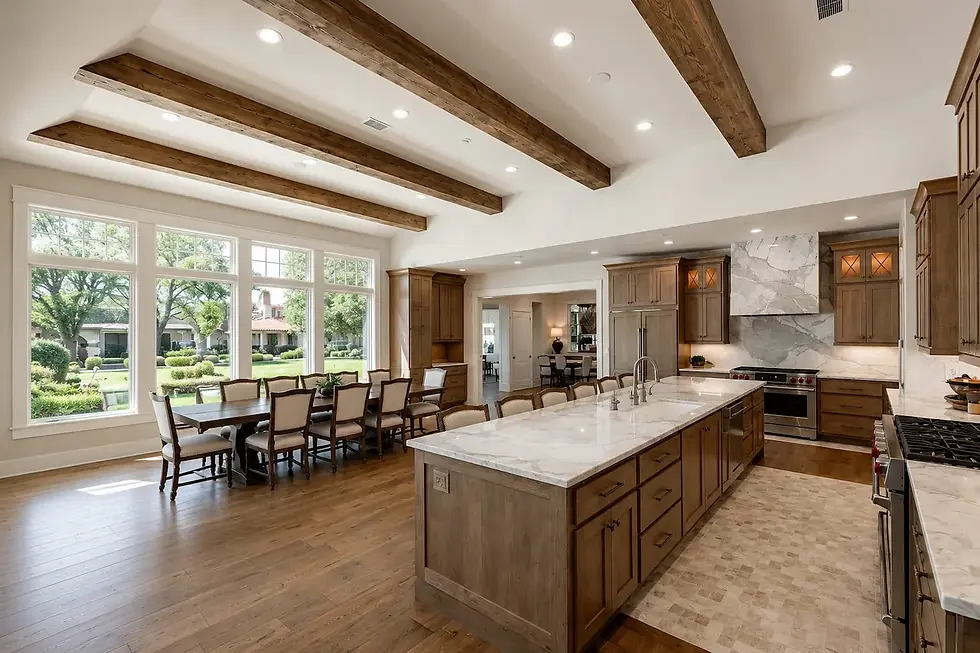
These answers shape the scope. A better kitchen may involve removing a wall, adding a pantry, building a custom island, or improving access to an outdoor living area. A bathroom update may need more storage, a larger shower, better lighting, or a revised layout that makes mornings easier. In many homes, built-ins, custom cabinetry, and purposeful storage are what make a redesigned floor plan truly functional.
It also helps to separate needs from preferences. Structural repairs, electrical updates, plumbing improvements, and ventilation belong in the needs category. Premium countertops, specialty hardware, custom millwork, and statement lighting may be preferences, but they can still be worthwhile when they support the quality and character you want in a long-term home. Clear priorities give the project team a better framework for making decisions when options arise.
Plan the Scope Before Pricing the Work
A meaningful remodeling budget cannot be built from a few photos or a rough square-foot estimate. The cost of a whole-home renovation depends on the existing condition of the house, whether walls are moving, the extent of mechanical updates, the materials selected, permit requirements, and the level of finish expected.
An in-home walkthrough is the right place to begin. A qualified contractor can evaluate the layout, identify visible concerns, ask about your goals, and discuss the realistic construction path for the home. This is especially valuable in older San Antonio-area properties, where prior renovations may have left behind unexpected framing, wiring, or plumbing conditions.
A detailed proposal should explain what is included and what is not. Homeowners deserve to understand the scope of demolition, construction, materials, allowances, project coordination, and anticipated schedule before work starts. Transparency does not mean promising that no unknown condition will ever be found. It means explaining how potential discoveries will be handled, documented, priced, and approved.
When comparing proposals, be careful with a low number that lacks detail. An estimate can appear attractive because necessary items were excluded, allowances are unrealistic, or the contractor has not fully evaluated the work. A thorough proposal may not be the lowest initial price, but it provides a stronger foundation for budget control and fewer surprises.
Design for Continuity, Not Identical Rooms
A whole-home transformation should feel connected without making every room look the same. The goal is a consistent design language: complementary flooring, repeatable hardware finishes, coordinated trim details, a thoughtful paint palette, and lighting that works together across the home.
Continuity matters most in the spaces that flow into one another. An open kitchen, dining area, living room, and entry should have compatible scale, color, and materials. In private spaces, homeowners have more freedom to add personality. A powder room can carry a bolder wallpaper or tile choice, while bedrooms can shift in color and mood without breaking the home’s overall character.
Premium materials are worth considering where performance matters most. Durable flooring, well-built cabinetry, quality plumbing fixtures, and properly installed waterproofing can influence how the home holds up long after the project is complete. Some high-end finishes are primarily aesthetic, while others protect the investment through better daily durability. Your contractor should help you understand the difference.
A Managed Process Protects the Experience
Living through a major renovation requires patience, but an organized process can reduce unnecessary disruption. Homeowners should know who is overseeing the project, how communication will work, what areas of the home will be affected, and when key selections need to be made.
A well-managed whole home remodeling project typically moves through six practical stages:
1. An in-home consultation to discuss goals, budget, existing conditions, and priorities.
2. Scope development and a detailed proposal that establishes expectations for the work.
3. Design, material selections, and planning for cabinetry, finishes, fixtures, and layout decisions.
4. Permitting and scheduling, including coordination with the appropriate local requirements.
5. Construction management, with organized trade scheduling, jobsite care, and regular communication.
6. A final quality walkthrough to review completed work and address any remaining details.
The sequence may adjust based on the project. A home with extensive structural changes will require more planning and permitting than a renovation focused on finishes and cabinetry. Likewise, homeowners who plan to remain in the house need a different phasing strategy than those who can temporarily relocate. There is no single schedule that fits every renovation, but there should always be a clear plan.
Choose a Contractor for Accountability
A whole-home renovation brings many decisions under one roof: design coordination, demolition, framing, plumbing, electrical, cabinetry, tile, paint, inspections, and final detailing. The contractor’s role is not simply to perform construction. It is to keep those moving parts aligned and to take responsibility for the result.
Look for a licensed and insured contractor with experience in projects similar to yours. BBB accreditation, established local references, detailed written proposals, and a workmanship warranty are meaningful trust markers. Just as important, ask who will be involved once work begins. Direct owner involvement can make a real difference when questions arise, a condition changes, or a decision needs prompt attention.
Communication should be clear and respectful from the first meeting. You should not have to chase down basic answers about scope, schedule, selections, or changes. A relationship-driven contractor understands that remodeling is personal. The work happens in your home, around your routines, and often around your family.
PHRS Remodeling brings more than 25 years of experience to custom residential renovations, combining owner oversight, organized coordination, detailed proposals, and a two-year workmanship warranty. From our family to yours, the standard is straightforward: treat the home with care and build the work to last.
Prepare Your Home and Expectations
Even a carefully planned project involves dust, noise, changing access routes, and periods when key rooms are unavailable. Preparing ahead makes that temporary disruption easier to manage. Decide where meals will be prepared if the kitchen is offline, create a safe area for pets, protect valuables, and establish clear boundaries for work zones.
Selection decisions should also be made as early as possible. Cabinets, appliances, tile, lighting, and specialty fixtures can affect both the construction sequence and the schedule. Waiting until installation is near can limit options or delay progress. Early choices give homeowners time to compare quality, function, and cost without pressure.
The best renovation decisions are made with a long view. Choose a layout that supports the way your family lives now, materials that can handle real use, and a project team that will communicate honestly when the work becomes complex. A thoughtfully remodeled home should not just look finished on walkthrough day. It should make everyday life feel easier, more comfortable, and more like yours.
Ready to Start Your Remodeling Project?
Whether you’re planning a kitchen remodel, bathroom renovation, custom cabinetry, built-ins, or a whole-home transformation, we’d love the opportunity to meet with you and discuss your vision.
At PHRS Remodeling, we’re a family-owned business with more than 25 years of remodeling experience. We pride ourselves on quality craftsmanship, clear communication, honest advice, and treating every home with the care and respect it deserves.
If you’re considering a remodeling project, we’d be honored to help.
Schedule your free in-home consultation today.
📞 Call us: (210) 873-1111
🌐 Visit us: www.phrsremodeling.com
⭐ View our recent projects and customer reviews on Google, Facebook, Instagram, and Yelp.
We look forward to helping you create a home you’ll love for years to come.