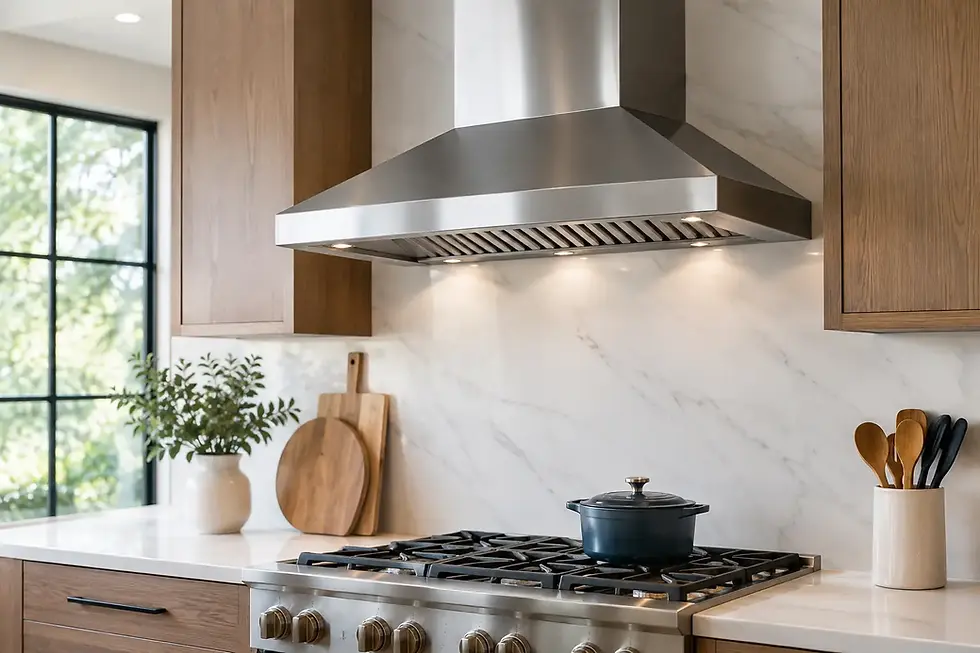
Kitchen Backsplash Design: Choosing the Right Tile Size, Pattern, and Layout

A kitchen backsplash may seem like a small detail in a remodeling project, but it can make a significant difference in the overall appearance and functionality of your space. From classic subway tile to modern large-format designs, the right backsplash brings together your cabinets, countertops, and kitchen finishes while helping protect the wall from everyday splashes and spills.
With so many tile sizes, materials, colors, and installation patterns available, choosing the right combination can feel overwhelming. The good news is that a beautiful backsplash doesn’t have to be complicated. Thoughtful planning can help you create a design that complements your kitchen and remains practical for everyday use.
At PHRS Remodeling, we help homeowners throughout San Antonio and surrounding communities make informed remodeling decisions that balance style, functionality, and long-term value.
1. How Tile Size Influences Your Kitchen’s Appearance
Tile size plays an important role in how a backsplash looks and feels. The proportions of your tile can influence whether the finished space appears traditional, modern, detailed, or streamlined.
Small-Format Backsplash Tile
Smaller tiles, including mosaics, 2-by-2-inch squares, and narrow rectangular tiles, can introduce texture and visual interest.
Advantages include:
Greater flexibility for decorative patterns.
Opportunities to incorporate multiple colors or finishes.
A distinctive appearance in smaller backsplash areas.
Things to consider: Smaller tiles generally require more grout joints, which can increase cleaning and maintenance. Detailed patterns may also require additional installation labor.
Standard Subway Tile
Subway tile remains a popular choice because of its versatility. Traditional 3-by-6-inch tiles and larger rectangular formats can complement a wide variety of kitchen styles.
Depending on the color, finish, and layout, subway tile can create anything from a classic farmhouse appearance to a clean, contemporary design.
Large-Format Tile
Larger tiles can create a more continuous appearance with fewer visible grout joints.
They are especially appealing in kitchens where homeowners want a simple, uncluttered backsplash.
However, large-format tile requires careful planning. Wall flatness, tile dimensions, outlet placement, and the overall backsplash height can influence the finished appearance.
PHRS Remodeling Tip: Before choosing a tile size, consider the distance between your countertops and upper cabinets. The available height can affect the number of tile cuts and how balanced the finished layout appears.
2. Popular Kitchen Backsplash Design & Tile Patterns
The installation pattern can dramatically change the appearance of a tile, even when the material and color remain the same.
Horizontal Running Bond
Also commonly called a brick pattern, this layout offsets each row of rectangular tile.
It creates a familiar, timeless appearance that works well in traditional, transitional, and farmhouse kitchens.
Vertical Stacked Tile
Installing rectangular tiles vertically creates clean lines and can draw the eye upward.
This arrangement is especially attractive in contemporary kitchens or spaces where homeowners want a subtle design feature without introducing additional colors.
Straight Stack Pattern
A straight stack aligns tiles evenly in horizontal and vertical rows.
The result is a structured, geometric appearance that works particularly well with modern cabinetry and simple countertop designs.
Herringbone Pattern
Herringbone uses rectangular tiles arranged in an interlocking zigzag pattern.
It can create an elegant focal point behind a range or across an entire backsplash.
Because this layout involves additional cuts and precise alignment, installation can be more labor-intensive than a standard running bond.
Square Tile Patterns
Square tiles can create a charming, handcrafted appearance, particularly when paired with subtle color variation or textured finishes.
They work beautifully in cottage-inspired, coastal, traditional, and contemporary kitchens.
Design Tip: A backsplash does not always need a bold pattern to make an impact. Sometimes a simple layout with beautiful tile texture creates a more timeless result.

3. Choosing the Right Backsplash Material
Not every backsplash material performs or requires maintenance in the same way.
Ceramic Tile
Ceramic tile is available in a wide variety of colors, shapes, finishes, and price ranges.
Glazed ceramic tile is generally easy to maintain and is a practical option for many residential kitchens.
Porcelain Tile
Porcelain is a dense, durable tile material that offers excellent moisture resistance.
It is available in designs that resemble natural stone, concrete, and other finishes.
Natural Stone
Marble, travertine, and other natural stone materials can introduce warmth and character.
However, natural stone often requires additional maintenance and may be susceptible to staining or etching depending on the material.
Some natural stone products also require sealing.
Glass Tile
Glass tile can reflect light and add visual depth to a backsplash.
Installation requires careful attention to the manufacturer’s recommended setting materials and techniques, especially with translucent tiles.
Important consideration: Always confirm that the selected tile and installation materials are suitable for the intended kitchen location, particularly around cooking appliances.
4. Coordinating Your Backsplash With Cabinets and Countertops
A backsplash should complement the other finishes in your kitchen rather than compete with them.
When planning your selections, consider the following:
Cabinet color: White, natural wood, green, navy, and other cabinet finishes can influence which backsplash colors work best.
Countertop movement: Countertops with prominent veining or patterns often pair well with a simpler backsplash.
Hardware finishes: Cabinet pulls, faucets, and lighting fixtures can help guide the overall design direction.
Lighting: Natural and artificial light can change how tile colors and finishes appear throughout the day.
Overall style: The backsplash should feel connected to the rest of the kitchen rather than like a separate design element.
If your countertop has dramatic veining, consider a backsplash with a more understated pattern. If your countertop is relatively simple, the backsplash may be an opportunity to introduce additional texture or personality.
PHRS Remodeling Tip: View your cabinet door sample, countertop sample, backsplash tile, and hardware together before making final selections. Seeing these materials side by side can help prevent unexpected color or finish combinations.
5. Don’t Overlook Grout Color and Grout Joints
Grout may seem like a minor detail, but it has a significant impact on the finished backsplash.
Matching Grout
Choosing a grout color similar to the tile creates a more continuous appearance.
This is especially useful when homeowners want the tile texture or color to stand out rather than the individual grout lines.
Contrasting Grout
A contrasting grout color emphasizes the tile pattern.
For example, darker grout paired with white subway tile creates a more defined, geometric appearance.
Grout Joint Width
Grout joint width should be selected based on the tile’s dimensions, manufacturing tolerances, edge characteristics, and installation requirements.
Handmade or intentionally irregular tiles may require different spacing than precisely manufactured tiles.
Grout selection also matters. Different grout products offer varying levels of stain resistance, maintenance requirements, and installation considerations.
Important: Grout is not a substitute for waterproofing where a waterproof assembly is required. Appropriate flexible sealant should also be used at designated changes of plane and movement joints rather than relying on grout alone.
6. Planning the Backsplash Layout Before Installation
One of the most important steps in achieving a professional-looking backsplash is planning the layout before setting the first tile.
Several details should be considered:
Countertop-to-cabinet height: The available wall space influences tile positioning and the size of cuts near the upper cabinets.
Electrical outlets: Outlet locations can interrupt tile patterns. Careful layout planning helps reduce awkward cuts and maintains a more balanced appearance.
Range and hood areas: Backsplash height and layout may change behind the cooking area, depending on the cabinet arrangement and appliance configuration.
Exposed edges: Where tile ends without meeting a cabinet or wall, a finished edge may be needed. Options include coordinating trim pieces or suitable metal edge profiles.
Inside corners: Tile placement should account for changes in direction, movement, and the appearance of adjoining walls.
Tile variation: Some tiles have intentional differences in shade, texture, or dimensions. Reviewing and blending tiles before installation can help create a more balanced finished result.
Taking the time to plan these details can make a noticeable difference in the final appearance.
7. Should Your Backsplash Be a Statement or a Subtle Background?
There is no single design approach that works for every kitchen.
A statement backsplash may feature a decorative pattern, contrasting colors, handcrafted tile, or a distinctive layout.
A subtle backsplash may use neutral tones, simple patterns, or larger tiles to create a calm, cohesive appearance.
The best choice depends on your kitchen’s overall design, your personal preferences, and how the space will be used.
For homeowners planning a complete kitchen remodel, it often helps to select cabinetry and countertops first, then use the backsplash to bring the finishes together.
8. Why Professional Backsplash Installation Matters
Even a beautiful tile can look disappointing when the installation is poorly planned or executed.
Professional installation involves more than simply attaching tile to the wall.
Important considerations include:
Evaluating and preparing the wall surface.
Establishing a balanced tile layout.
Selecting compatible setting materials.
Maintaining consistent spacing and alignment.
Making accurate cuts around outlets, cabinets, and corners.
Installing appropriate edge finishes.
Applying grout and sealant correctly.
Following manufacturer instructions and applicable installation standards.
Attention to these details helps create a backsplash that looks intentional and performs well over time.
Bringing Your Kitchen Design Together With PHRS Remodeling
A kitchen backsplash is an opportunity to add personality, texture, and a finished appearance to your remodeling project.
Whether you prefer classic subway tile, a modern stacked layout, a decorative herringbone pattern, or a subtle natural stone finish, the right selection should complement your kitchen and fit your everyday needs.
At PHRS Remodeling, we believe successful kitchen remodeling starts with thoughtful planning, quality craftsmanship, and clear communication.
As a family-owned and operated remodeling company serving San Antonio and surrounding communities, we help homeowners navigate the details of their remodeling projects, from cabinet and countertop selections to backsplash installation and finishing touches.
Planning a kitchen remodel in San Antonio, Boerne, Bulverde, Spring Branch, or nearby communities?
Contact PHRS Remodeling to discuss your project and schedule an in-home consultation.
PHRS Remodeling Phone: 210-873-1111
Quality craftsmanship. Thoughtful planning. Remodeling designed around your home.