Kitchen Range Hoods That Work Hard and Look Right

A beautiful kitchen can still feel unfinished if cooking odors linger in the living area, grease settles on new cabinetry, or a powerful range makes the room uncomfortably warm. Range hoods are often treated as a decorative afterthought, but they are one of the most practical decisions in a kitchen remodel. The right kitchen range hood helps protect finishes, improves comfort, and gives the cooking area the visual presence it deserves.
For San Antonio homeowners planning a custom kitchen renovation, the best choice depends on more than style. Your cooking habits, range type, ceiling height, floor plan, duct path, and ventilation requirements all shape the right solution. A hood that looks excellent but cannot move enough air will disappoint. One that is oversized or unnecessarily loud can make an otherwise welcoming kitchen feel less comfortable.
Why a Kitchen Range Hood Matters in a Custom Kitchen
Every kitchen produces heat, steam, grease, and airborne particles. Searing steaks, frying tortillas, simmering sauces, and cooking for a full house can quickly affect indoor air quality. Without proper ventilation, moisture and grease can collect on nearby cabinets, walls, and ceilings. Over time, that buildup is harder to clean and can dull the appearance of premium paint, wood finishes, and hardware.
A properly selected and installed hood captures contaminants at the source. It helps remove smoke before it travels, reduces lingering odors, and makes everyday cooking more enjoyable. In an open-concept home, this function becomes even more valuable because the kitchen shares air with dining and living spaces.
Ventilation also supports the long-term performance of the investment you are making in your home. Custom cabinetry, tile backsplashes, statement lighting, and professional-grade appliances deserve a system that helps keep them looking their best.
Ducted vs. Ductless: The First Decision
A ducted range hood vents air outside through ductwork. For most full kitchen renovations, this is the preferred option. It physically removes smoke, heat, moisture, and cooking odors from the home rather than filtering and recirculating them. When the layout and structure allow it, ducted ventilation delivers the strongest everyday performance.
A ductless hood uses filters, usually including charcoal filters, to capture some grease and odors before returning air to the room. It can be a workable choice where exterior venting is not feasible, such as certain condos or homes with major structural constraints. However, it does not remove heat or humidity, and filters must be maintained consistently.
The right answer depends on the home. During a kitchen planning walkthrough, a remodeling professional should evaluate attic access, exterior walls, joist direction, rooflines, and the desired location of the range before finalizing cabinetry and appliance plans. Moving ductwork later can create avoidable cost and disruption.
How Much Ventilation Power Do You Need?
Hood performance is measured in CFM, or cubic feet per minute. Higher CFM means the blower can move more air, but bigger is not automatically better. The appropriate capacity should match the size and output of your cooktop or range, along with the way your family uses the kitchen. Because ventilation requirements vary by appliance and installation, the range manufacturer's specifications and appliance local requirements should be reviewed before selecting the hood and planning the ductwork.
A household that primarily prepares simple weeknight meals may be well served by moderate ventilation. Homeowners who frequently cook with high heat, use a griddle, prepare large family meals, or select a powerful gas range generally need more capture capacity. Island ranges also often require careful planning because they are exposed on all sides and do not benefit from a nearby wall to help contain rising smoke.
Very high-powered systems may require makeup air. As air is exhausted from a tightly built home, replacement air must enter safely and in the proper volume. This is particularly relevant for larger hoods and luxury appliance packages. Local code requirements, appliance specifications, and the home’s existing mechanical systems should all be reviewed before installation.
The goal is balanced performance: enough power to clear the air without creating unnecessary noise, draft issues, or added complexity.
Capture Area Is Just as Important as CFM
A hood must be wide and deep enough to capture what rises from the cooking surface. As a general design principle, the hood should be at least as wide as the range. Many homeowners choose a hood that extends a few inches beyond each side for improved capture and a more substantial appearance.
Depth matters as well. A shallow decorative hood may look refined on paper but can miss smoke from front burners. This is one reason appliance selection, cabinet design, and hood choice should be coordinated together instead of made as separate decisions.

Choosing a Range Hood Style That Fits the Room
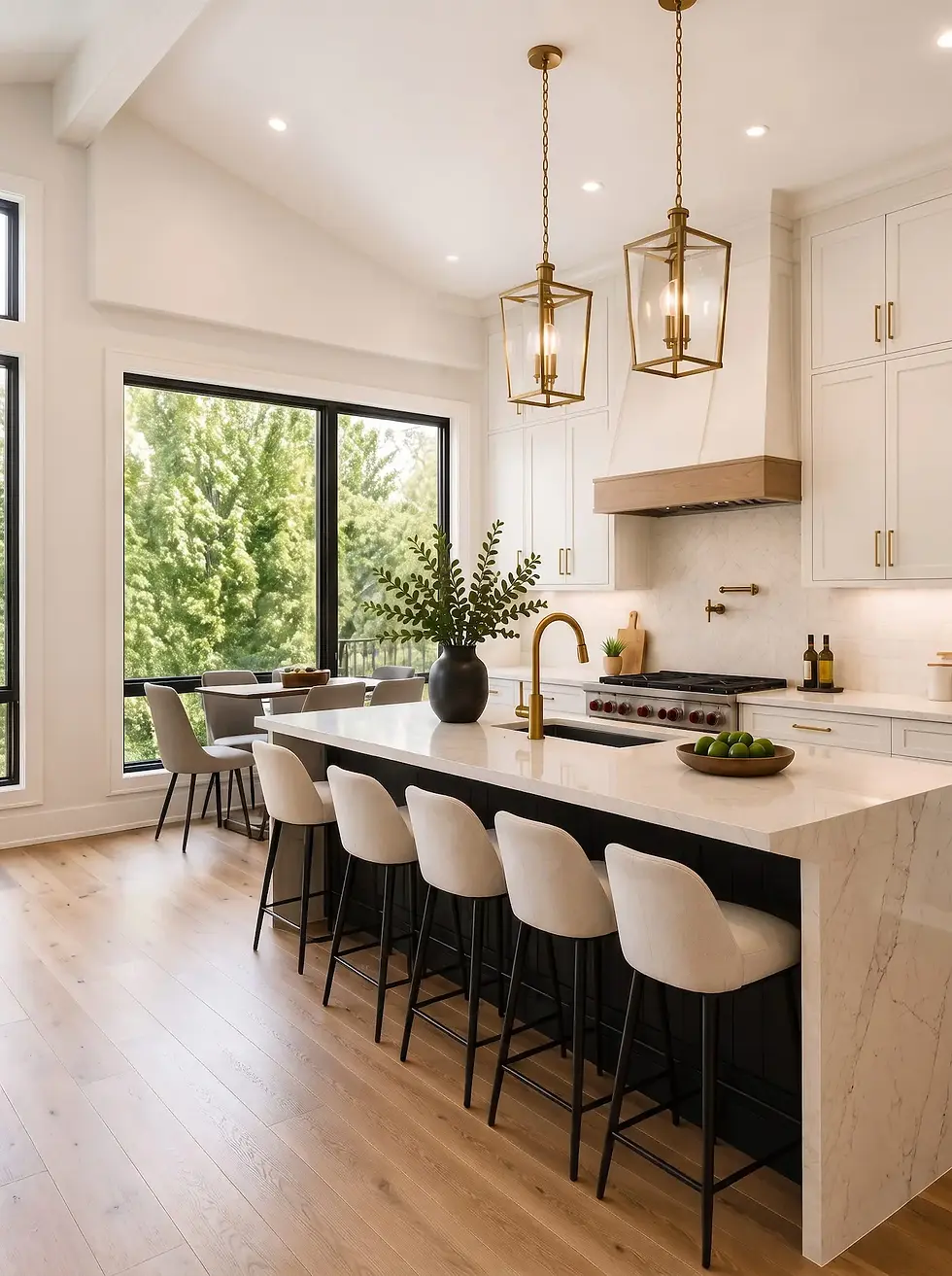
The best hood style supports the overall kitchen design without competing with it. In a traditional Alamo Heights home, a custom wood hood with carefully proportioned trim can create warmth and tie into cabinetry. In a clean-lined Stone Oak or Dominion kitchen, a plaster hood, painted surround, or sleek metal insert may better suit the architecture.
Wall-mounted chimney hoods make a strong visual statement and work well when the range is positioned along a feature wall. Under-cabinet hoods are more discreet and can be a practical option for kitchens where upper storage is a priority. Custom hood surrounds conceal a powerful liner inside cabinetry, plaster, tile, or woodwork for a tailored finish.
Island hoods are designed for ranges located in a central island. They can become a focal point, but they require special attention to scale, mounting height, duct routing, and airflow. A hood that is too small or installed too high over an island may struggle to perform as intended.
Downdraft systems offer another option for kitchens where preserving sightlines is the leading priority. They rise from behind or beside the cooktop and can retract when not in use. Their low-profile appearance is appealing, though they typically do not capture smoke as effectively as a well-designed overhead hood, especially during high-heat cooking.
Noise, Lighting, and Controls Affect Daily Use
A hood can have the right technical specifications and still become frustrating if it is too loud. Sound levels are commonly described in sones. Lower sone ratings generally mean quieter operation. Quality blower design, correct duct sizing, smooth duct runs, and professional installation all affect how much sound reaches the room.
It also helps to choose a hood with useful speed settings. Lower speeds are suitable for light cooking and can run quietly, while higher settings are available when the kitchen needs more clearing power. Some homeowners appreciate automatic sensors or delayed shutoff features, but straightforward, reliable controls are often the best fit for a busy family kitchen.
Built-in lighting deserves attention, too. Good task lighting makes it easier to see what is happening on the cooktop and adds warmth to the kitchen after dark. LED lighting is efficient, long-lasting, and available in color temperatures that can complement under-cabinet lighting and decorative fixtures.

Installation Details That Should Not Be Overlooked
The quality of installation has a direct effect on performance. Ductwork should be correctly sized for the blower, routed as directly as possible, and limited in unnecessary turns. Long runs, undersized ducts, and restrictive elbows reduce airflow and can increase noise.
The hood must also be mounted at the manufacturer-recommended height above the cooking surface. Too low can interfere with cooking and sightlines. Too high reduces capture. Clearances around gas appliances, surrounding combustible materials, and cabinetry need to meet applicable requirements.
This is where an organized remodeling process pays off. Appliance specifications should be confirmed early, the ventilation plan coordinated before walls are closed, and final finish work completed only after the hood components are properly fitted. At PHRS Remodeling, that kind of coordination is part of treating each custom kitchen as a complete construction project, not a collection of separate selections.
Plan for Cleaning and Maintenance
Even a premium hood needs routine care. Metal grease filters should be cleaned according to the manufacturer’s instructions, particularly in homes where cooking happens often. Ductless systems require replacement charcoal filters on schedule. The exterior finish should be cleaned with products appropriate for stainless steel, painted surfaces, wood, or plaster.
If airflow seems weaker than usual, filters are often the first place to check. Persistent noise, vibration, or reduced performance may point to a ductwork or blower issue that deserves professional attention.
A range hood should make your kitchen more pleasant to use, not simply fill a space above the range. When ventilation is planned alongside cabinetry, appliances, and the home’s structure, it can quietly protect the finishes you love while giving every meal room to breathe.
Planning a Kitchen Remodel?
If you're considering a kitchen remodel, the best results come from planning cabinetry, appliances, ventilation, lighting, and finishes together—not treating them as separate decisions.
PHRS Remodeling helps San Antonio—area homeowners plan thoughtful, functional remodeling projects with careful attention to both design and construction details.
Schedule a free in-home consultation to discuss your kitchen, priorities, and ideas.
📞 Call us: (210) 873-1111
⭐ Explore our recent projects in our gallery
⭐Check us out on Google, Facebook, and Instagram!
We look forward to helping you create a home you’ll love for years to come.