Remodeling Workmanship Warranty Coverage Explained
Updated: Aug 20
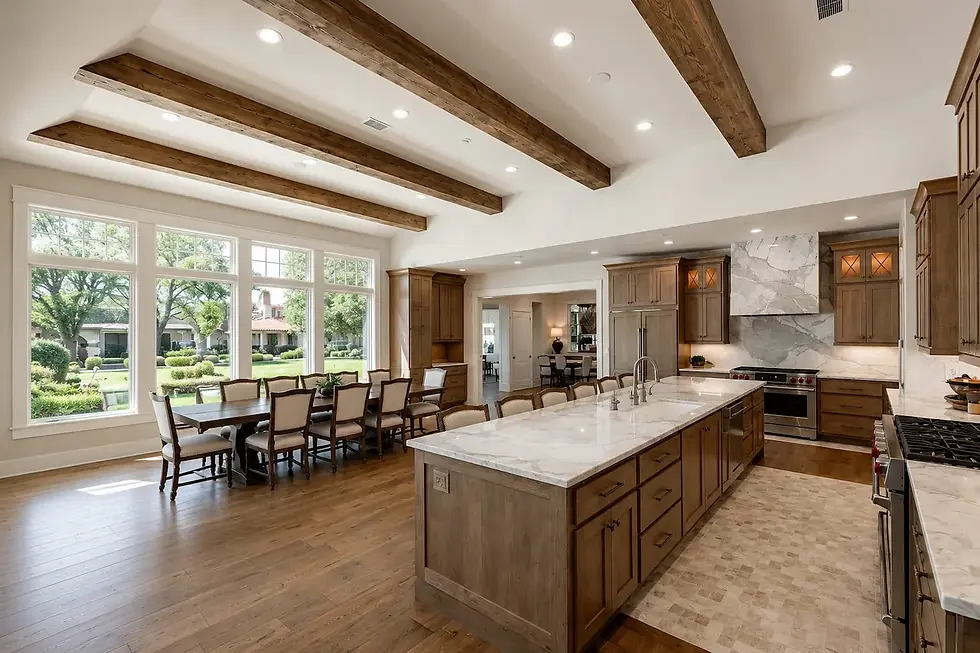
A beautiful kitchen, bathroom, or whole-home renovation should still perform well after the final walkthrough. That is where remodeling workmanship warranty coverage matters. It gives homeowners a clear path if an issue arises from how work was installed or completed, rather than leaving them to wonder whether a contractor will stand behind the project.
For a high-investment renovation, a warranty is more than a line in a proposal. It reflects a contractor's confidence in the people, processes, materials, and oversight behind the work. Still, not all warranties mean the same thing. Knowing what to ask before construction begins helps set fair expectations for both homeowner and contractor.
What a Workmanship Warranty Covers
A workmanship warranty addresses defects caused by installation or construction. In plain terms, it covers problems resulting from the way a contractor performed the work. If a newly installed cabinet door is misaligned because of an installation issue, a tile comes loose because it was not properly set, or a trim detail separates because it was incorrectly fastened, those are the kinds of concerns a workmanship warranty may address.
Coverage should apply to the contractor's own completed scope of work. In a kitchen remodel, that may include cabinetry installation, tilework, finish carpentry, drywall repair, painting, flooring installation, or fixture installation. In a bathroom, it may include shower tile, vanity installation, trim, flooring, and completed finish work.
The exact scope always depends on the written agreement. A thoughtful proposal should identify what is included in the project, and the warranty should correspond to that work. Vague promises such as "we guarantee everything" may sound reassuring, but clear written terms protect everyone better.
Workmanship Is Different From Product Coverage
A workmanship warranty does not replace a manufacturer's product warranty. This distinction is one of the most common sources of confusion after a remodel.
If a faucet develops an internal defect, an appliance stops functioning, or a flooring product has a factory issue, the manufacturer warranty may apply. The remodeling contractor may help identify the issue or coordinate next steps, but the product maker is generally responsible for a defective item itself.
If the same faucet leaks because it was improperly installed, that is different. The concern may fall under workmanship coverage because the problem is related to installation. In some cases, both product and installation need to be evaluated before the right solution is clear.
What Remodeling Workmanship Warranty Coverage Usually Excludes
A warranty should be meaningful, but it cannot serve as an open-ended insurance policy for every future condition in a home. Honest contractors explain exclusions before work begins rather than relying on fine print after the fact.
Workmanship coverage commonly excludes normal wear, accidental damage, improper use, lack of maintenance, and changes made by another contractor or homeowner after the project is complete. For example, a scratched countertop, a chipped tile caused by an impact, or paint damage from moving furniture would not typically be a workmanship issue.
It also generally does not cover problems caused by conditions outside the contractor's control. Existing structural movement, plumbing failures in untouched parts of the home, roof leaks, foundation settlement, storm damage, pest damage, or water intrusion from an unrelated source can affect renovated areas. A contractor should identify visible concerns during planning when possible, but no remodeler can warranty hidden or future conditions that were not part of the agreed scope.
This is especially relevant in established San Antonio-area homes. Older construction can contain concealed issues behind walls or beneath floors, including prior repairs, outdated wiring, plumbing concerns, or framing irregularities. A detailed preconstruction walkthrough and a clear change-order process help address discoveries responsibly when they arise.
Why the Warranty Term Matters, But Is Not the Only Measure
Homeowners often compare warranty length first. That is understandable, but the number of months or years is only one part of the decision. A one-year craftsmanship warranty with a responsive, established contractor and well-defined terms can offer greater practical value than a longer promise from a company that is difficult to reach.
Look at the contractor's experience, licensing and insurance, communication practices, and local reputation alongside the warranty period. Ask who will receive a service request, how concerns are documented, and what happens after an inspection. You want a contractor with an organized process, not simply a broad marketing claim.
At PHRS Remodeling, the two-year workmanship warranty is part of a hands-on approach that includes owner involvement, detailed proposals, coordinated project management, and a final quality walkthrough. The goal is to complete work correctly the first time and remain accountable if a covered craftsmanship issue needs attention.
Timing Can Be Important
Some issues are visible immediately, while others only appear after a home experiences normal use and seasonal changes. Paint or caulk may need minor attention as materials settle. Doors and cabinetry can require adjustment after initial use. These concerns are not necessarily signs of poor construction, but they should be handled professionally when they relate to the completed work.
Homeowners should report a potential issue as soon as they notice it. Waiting can make diagnosis harder, particularly if a small plumbing leak, loose tile, or failed seal allows additional damage to develop. Prompt communication gives the contractor the best opportunity to inspect the condition and determine whether warranty service is appropriate.
Questions to Ask Before You Sign
Warranty language should be reviewed before the project starts, not after a concern develops. A professional remodeling contractor should be comfortable discussing it directly. Ask whether the warranty is provided in writing, how long it lasts, and which portions of the scope are covered.
It also helps to ask what happens if a supplied product fails, whether labor related to replacement is covered, and whether another trade or manufacturer must be contacted first. For instance, a defective tile batch, appliance, or plumbing fixture may have separate product terms that affect the resolution.
For a custom project, ask how approved changes affect coverage. If a homeowner selects a material against a contractor's recommendation or asks another professional to modify completed work, the original warranty may be limited for that area. That is not a contractor avoiding responsibility. It is a practical boundary that preserves accountability for work each party actually controls.
Finally, request clear maintenance guidance. Natural stone, wood finishes, grout, deck materials, specialty hardware, and exterior features all have care requirements. Following those recommendations protects the investment and helps distinguish ordinary upkeep needs from a true workmanship concern.
A Final Walkthrough Should Support the Warranty
The best time to address details is before the project is considered complete. During a final walkthrough, homeowners and the project team should inspect finished areas together, review operation of installed features, and identify any remaining punch-list items. This is also the right time to receive care information, product documents, and warranty terms.
A careful walkthrough does not mean every surface will remain unchanged forever. Homes move, finishes age, and families use their spaces. It does mean both parties have a shared record of the finished project and a clear understanding of what comes next if a covered concern appears.
When a Warranty Request Is Appropriate
If you believe there is a workmanship issue, take a few clear photos, note when you first noticed the condition, and avoid attempting a repair yourself. Contact the contractor with a concise description and allow an inspection before assuming the cause. A professional review may show that the issue is covered, related to a manufacturer defect, or connected to an unrelated condition in the home.
A dependable remodeling relationship does not end when the tools leave the driveway. The right warranty, supported by clear communication and accountable workmanship, lets homeowners enjoy the finished space with greater confidence - from our family to yours.
Ready to Start Your Remodeling Project?
Whether you’re planning a kitchen remodel, bathroom renovation, custom cabinetry, built-ins, or a whole-home transformation, we’d love the opportunity to meet with you and discuss your vision.
At PHRS Remodeling, we’re a family-owned business with more than 25 years of remodeling experience. We pride ourselves on quality craftsmanship, clear communication, honest advice, and treating every home with the care and respect it deserves.
If you’re considering a remodeling project, we’d be honored to help.
Schedule your free in-home consultation today.
📞 Call us: (210) 873-1111 🌐 Visit us: www.phrsremodeling.com ⭐ View our recent projects and customer reviews on Google, Facebook, Instagram, and Yelp.
We look forward to helping you create a home you’ll love for years to come.